What is possible with the Brain Collection?
Research Opportunities Using the Brain Collection
Histopathological and molecular research with the Brain Collection
Description
The Brain Collection provides well-characterized human brain tissue from multiple brains and disease stages, suitable for detailed histopathological, molecular, and biochemical analyses highly relevant for neurological and psychiatric research.
Possible research applications
- Perform standard histology to examine tissue architecture, neuronal loss, gliosis, and other morphological changes.
- Conduct immunohistochemistry (IHC) to detect specific proteins, cell types, or pathological markers such as amyloid, tau, or α-synuclein.
- Extract DNA, RNA, and proteins for genetic, transcriptomic, or proteomic analyses.
- Analyze specific mutations in the tissue to support disease understanding and family diagnostics and counselling.
- Apply in situ hybridization or other molecular techniques to study gene expression patterns.
- Determine size and cell number of selected brain regions using modern stereological methods, providing quantitative data that bridge clinical studies and experimental studies in animals or tissue cultures.
- Investigate regional and cellular pathology by selecting specific brain areas for detailed analysis.
- Develop and validate new staining protocols, imaging techniques, or digital pathology workflows.
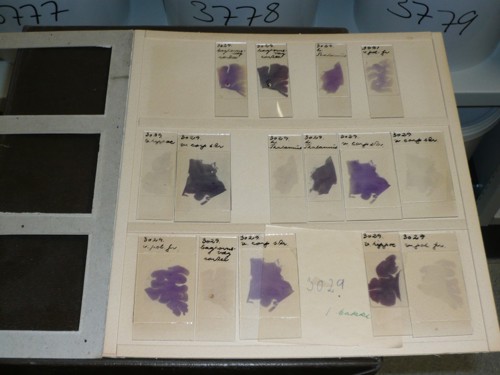
Research based on clinical files and pathological reports
Description
The Brain Collection also includes a range of materials that document patients’ clinical and neuropathological history. These include:
- Medical records, which contain detailed information about clinical history, treatments, and sometimes personal correspondence.
- Pathology reports, prepared by Brain Collection staff at the time of brain receipt, summarizing neuropathological findings;
- Responsum (clinical summaries or discharge summaries), which provide concise diagnostic information and brief descriptions of clinical features.
- Protocol books, compiled upon brain receipt, containing short descriptions of each sample and administrative details.
Together, these materials offer a comprehensive view of the patients’ clinical and pathological background.
Possible research applications
Researchers can use these materials to study the clinical course and progression of neurological and psychiatric disorders and correlate clinical symptoms with neuropathological findings. They provide standardized diagnostic information for study cohorts, allow cross-referencing of clinical and pathological data.
All together it is possible to:
- Correlate histopathological and molecular findings with clinical data, including diagnoses and disease progression.